
1What counts
Hiding a purchase, a credit card, a bank account or a debt. Lying about what you earn or what something cost. In NEFE's survey, 39% had hidden a purchase, account, statement, bill or cash.
2Why it hurts
Among people it touched, 42% said it caused an argument and 32% said it lowered trust. 16% said it led to divorce.
3If you are the one hiding it
Tell your partner before they find it. Bring the full numbers: the balance, the rate and the monthly payment, and a plan to pay it down.
4When it is control, not a secret
Privacy you agreed on is healthy. A partner who takes your pay, blocks your access to accounts or runs up debt in your name is financial abuse. If talking about it is not safe, call the National Domestic Violence Hotline at 1-800-799-7233 or chat at thehotline.org.
5Make room for privacy
Secrets often start because there is no money of your own. Agree on a personal amount each month that neither of you has to explain.
How to do it in Oaktally
Agreeing once is the easy part. Oaktally keeps shared costs in view for both of you every month, while each person keeps their own spending private.
- Share the plan, keep your own spendingRent, groceries and goals go in Shared. Your own purchases stay in Private, so personal money is agreed, not hidden.
- See who paid for whatEach shared expense shows who paid it and who owes whom.
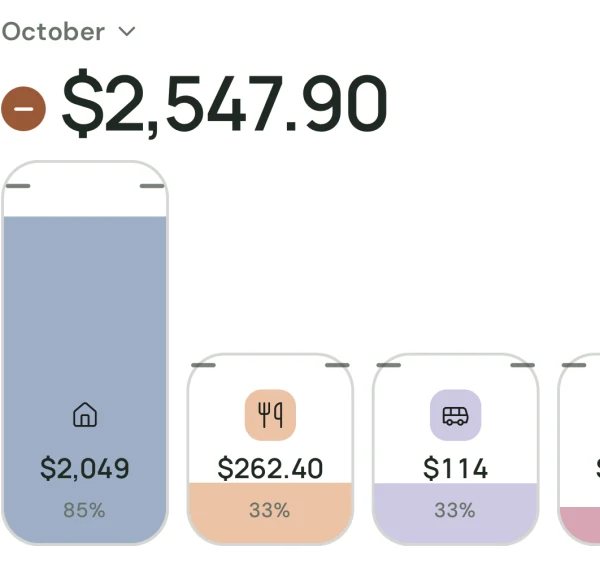
- Check in once a monthReports shows what you spent together this month and how it compares with last month.
Try it with your numbers
Put both incomes and your shared bills in one plan.
Build a shared budgetFrequently asked questions
Is a separate bank account financial infidelity?
No. A separate account your partner knows about is privacy. It becomes infidelity when you hide it.
How do you rebuild trust after financial infidelity?
Put every account and debt on the table, agree on a plan and check it together once a month. Some couples also see a counselor.
Further reading
NEFE: 2 in 5 Americans admit to financial infidelity ↗NNEDV: Financial safety planning ↗National Domestic Violence Hotline ↗Educational examples, not individual financial advice.